Walking along a nice, clean sidewalk is something we all enjoy. But have you ever thought about how these walkways stay so tidy and safe? One of the main helpers in keeping our pedestrian walkways clean is something called "power sweeping." In this blog post, we will explore what power sweeping is and how it makes walking safer for everyone.
What is Power Sweeping?
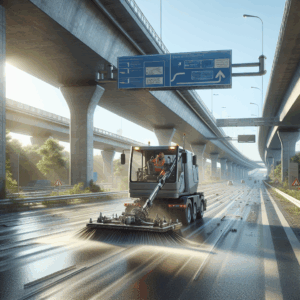
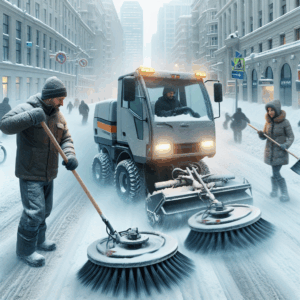
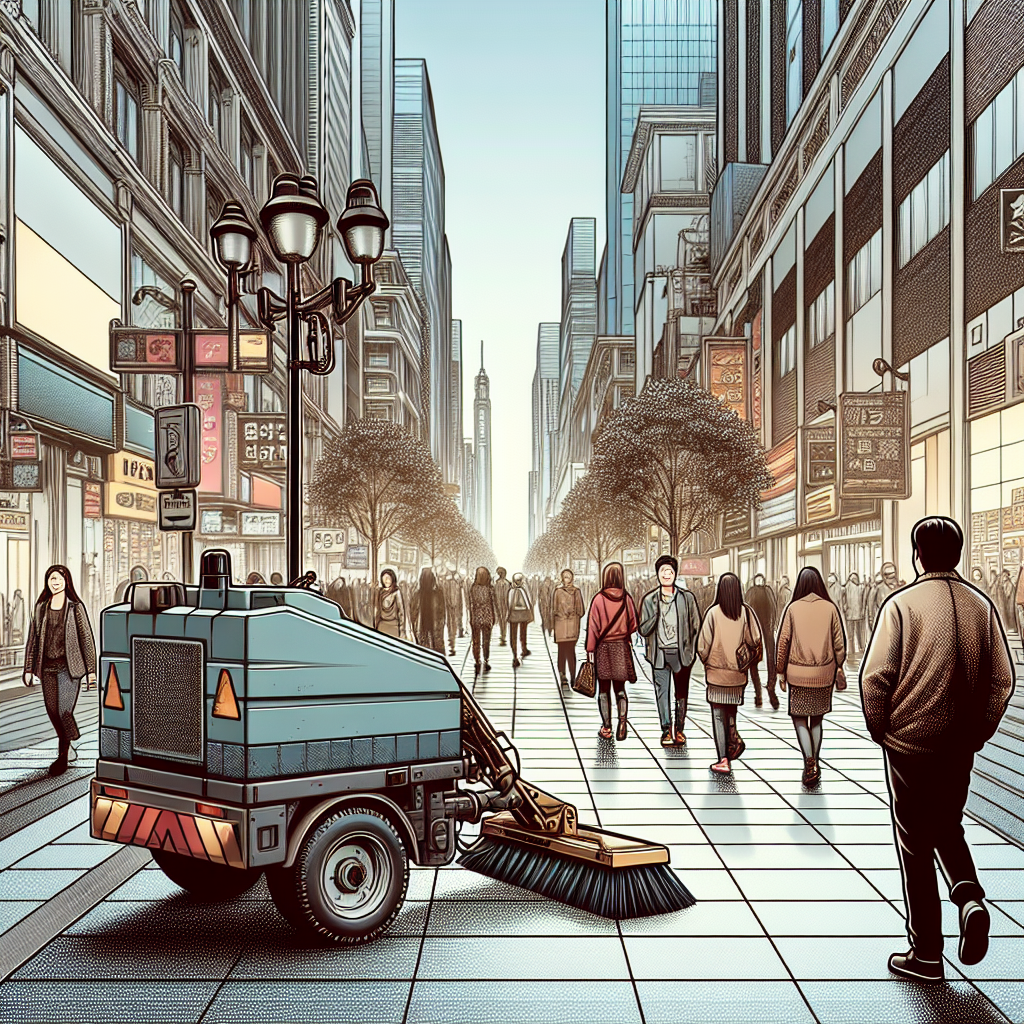
Power sweeping might sound like something superheroes do, but it's actually a method used by cities and towns to keep roads and sidewalks clean. Power sweepers are machines that look like giant vacuum cleaners. They have brushes and a powerful suction system to pick up all types of trash, dirt, leaves, and even small rocks from the ground. Cities use these machines regularly to keep public places clean for everyone.
How Does Power Sweeping Make Walkways Safer?
-
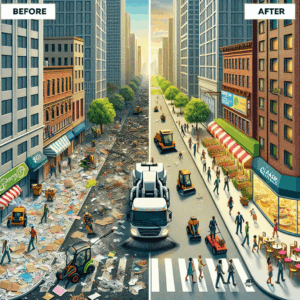
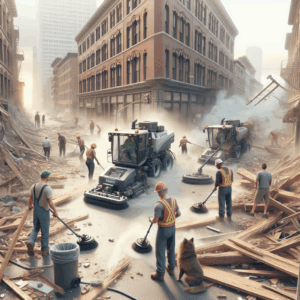
Removing Debris and Hazards: One of the most important things that power sweeping does is remove debris from walkways. Debris can include things like broken glass, plastic bottles, and other trash that make walking difficult or dangerous. When these items are left on walkways, people might trip, fall, or injure themselves. Power sweeping helps clear all this away, making walkways safer for everyone.
-
Reducing Slippery Surfaces: Wet leaves or small stones can create slippery surfaces on sidewalks, especially when it rains. Slipping on these surfaces can lead to injuries. Power sweepers quickly remove these elements, reducing the chances of someone slipping and getting hurt.
-
Keeping Pathways Clear for Everyone: Clear walkways are important for people using strollers, wheelchairs, or walkers. Power sweeping removes barriers that might make walkways difficult to navigate for those with mobility challenges. By keeping pathways clean, everyone can move around more easily and safely.
Power Sweeping and the Environment
Another benefit of power sweeping is its positive impact on the environment. By keeping trash and other harmful materials off the ground, power sweepers prevent them from ending up in storm drains. This helps to protect our rivers, lakes, and oceans from pollution. Clean walkways mean cleaner water, which is better for both people and wildlife.
How Often Is Power Sweeping Done?
The frequency of power sweeping depends on the area and how busy it is. In big cities with lots of people and traffic, power sweeping might happen every day. In smaller towns, it might happen once a week or once a month. No matter how often it happens, regular power sweeping is key to keeping walkways clean and safe.
What Can We Do to Help?
While power sweepers do a great job, we can all help keep our walkways safe and clean. Throwing trash in bins, picking up after our pets, and encouraging others to do the same make a big difference. Also, spreading the word about the importance of clean walkways encourages community involvement.
In conclusion, power sweeping is more than just about maintaining a clean appearance. It plays a vital role in making our pedestrian walkways safer for everyone. From removing hazards to protecting the environment, power sweeping helps create a cleaner and safer world. So, next time you see a power sweeper in action, give a nod of appreciation for the important work it does!