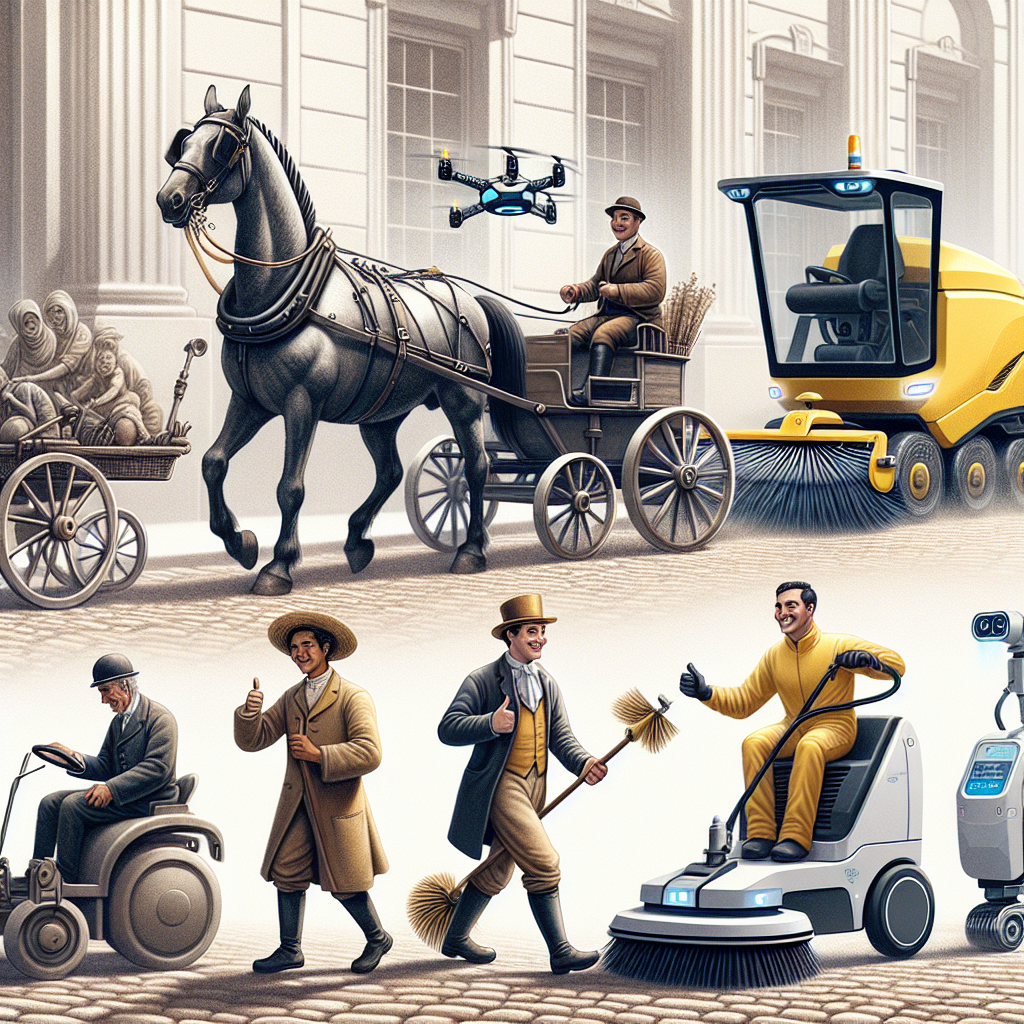
Street sweeping has come a long way from the days when horses pulled carts through city streets. Today, robots are being used to keep our roads clean. Let’s take a journey through time to see how street sweeping has evolved and become more efficient over the years.
Horse-Drawn Street Sweepers
In the 1800s, cities didn’t have cars, and many people traveled by horse and carriage. Streets often became very dirty with horse droppings, trash, and other debris. To tackle this problem, street sweepers used horses to pull carts that collected the waste. These horse-drawn carts were the first step in organized street cleaning and were known as "street sweeping brooms."
These early street sweepers were made of metal and wood. Workers used long-handled brooms to push trash into the carts. While it was better than doing nothing, it was slow and labor-intensive work. Entire teams of people were needed to keep streets clean.
Motorized Street Sweepers
With the invention of automobiles in the early 1900s, street sweeping also got a boost. The first motorized street sweeper was invented by Charles Brooks in 1896. His machine was patented in 1897 and used brushes to collect debris, much like the modern sweepers we see today.
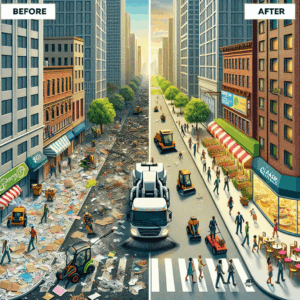
Motorized street sweepers made the job faster and required fewer workers. They also did a better job of collecting small debris. As technology advanced, new models replaced old horse-drawn brooms. Within a few decades, motorized street sweepers became common in cities around the world.
Modern Street Sweepers
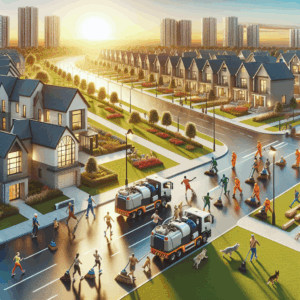
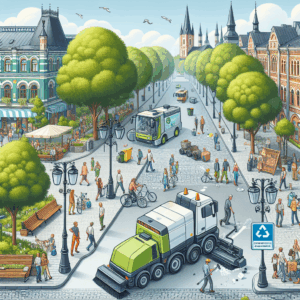
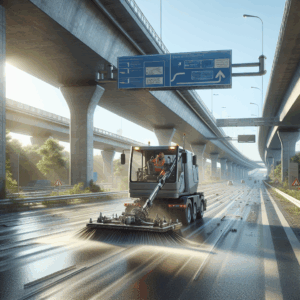
In the 20th century, street sweeping technology kept improving. New models can clean faster and more thoroughly. Today’s street sweepers use spinning brushes and vacuums to suck up dirt and debris. Many of them are equipped with water spray systems to control dust, making the air cleaner.
These machines are designed to handle a variety of surfaces, from asphalt roads to cobblestone streets. They can also pick up different types of debris, including leaves, paper, and even small pieces of metal. Modern street sweepers are more environmentally friendly, using less fuel and producing fewer emissions than older models.
Robot Street Sweepers
Now, street sweeping is entering a new era with the introduction of robots. These autonomous machines are like small cars or golf carts that move themselves. They can be programmed to follow a specific route, freeing up workers to do other tasks.
One example of robotic street sweepers is the Glutton, a compact and electric-powered device that can clean sidewalks and tight spaces in Europe. Meanwhile, Smart City projects in places like Singapore are testing larger robotic sweepers that can clean streets and parking lots.
Robotic street sweepers offer many benefits. They are efficient and can work 24/7 without getting tired. This means that streets can be cleaner, even in the middle of the night. These robots also come equipped with cameras and sensors that help them navigate around obstacles like parked cars and pedestrians.
Conclusion
The journey of street sweeping has been remarkable, from the days of horse-drawn carts to the advanced robots of today. As cities grow and technology advances, we can expect street sweeping to continue evolving. The goal remains the same: keeping our streets clean and our communities healthy. So the next time you see a street sweeper, whether it’s a big truck or a small robot, you'll have a new appreciation for the long history behind that clean pavement!