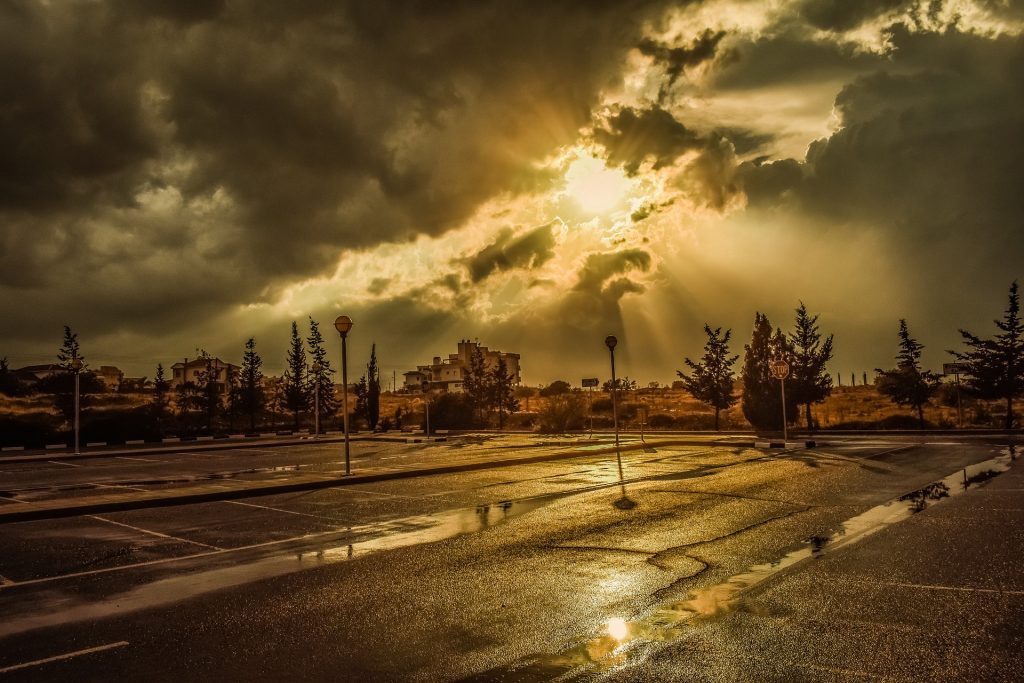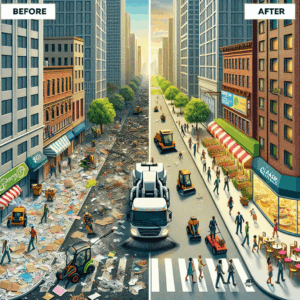
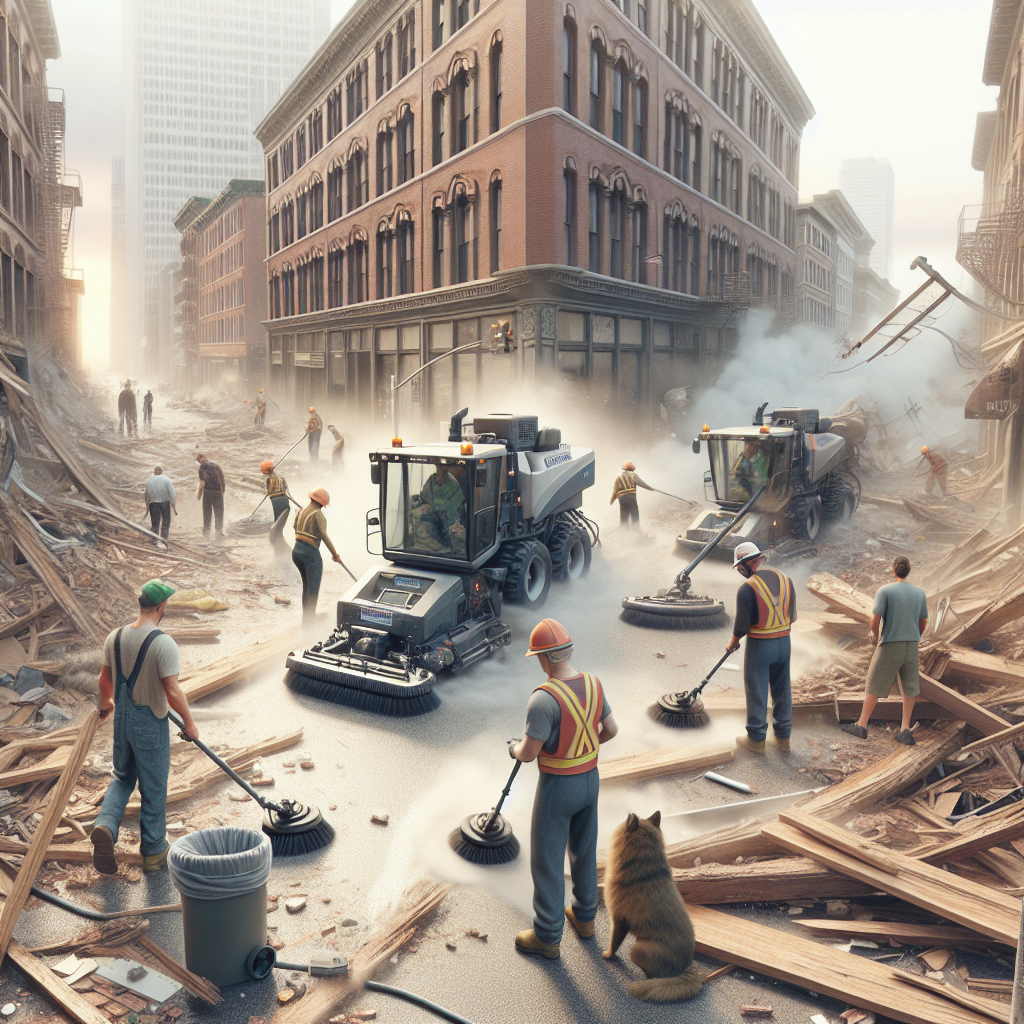
When natural disasters strike, such as hurricanes, earthquakes, tornadoes, or floods, chaos often follows. These events leave debris everywhere, from tree branches scattered across streets to dirt and mud on sidewalks. To return our communities to normal, it's important to clean up quickly and efficiently. One essential step in the cleanup process is power sweeping.
What is Power Sweeping?
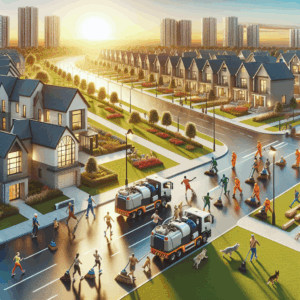
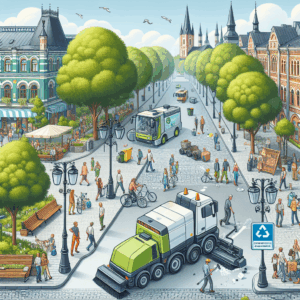
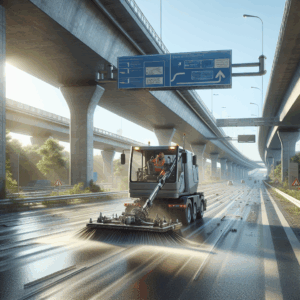
Before diving into why it's so important, let's first understand what power sweeping is. Power sweeping uses specialized machines to clean large outdoor areas. These machines can sweep roads, parking lots, and other surfaces quickly and safely. They collect debris like leaves, dirt, and trash to make spaces clean and usable again.
Making Streets Safe Again
After a natural disaster, streets can be dangerous. Broken branches, sharp objects, and other debris can block roads, making it hard for emergency vehicles, like ambulances and fire trucks, to get through. Power sweeping clears these obstacles quickly, ensuring that roads are safe and open for everyone.
Protecting the Environment
Natural disasters often stir up dirt, chemicals, and other harmful substances. If these materials aren't cleaned up, they can wash into rivers, lakes, or oceans during the next rainstorm. Power sweeping helps prevent this by removing harmful debris from roads and surfaces, protecting our water sources and local wildlife from pollution.
Preventing Further Damage
Debris left on roads and sidewalks can lead to more damage if not quickly removed. For example, sharp objects can puncture car tires, and wet leaves or mud can be slippery, causing car accidents or injuries to people walking by. Power sweeping helps prevent these problems by cleaning up debris before it causes trouble.
Supporting Local Businesses
After a natural disaster, local businesses want to reopen as quickly as possible. However, debris can make it difficult for customers and employees to access buildings safely. By scheduling power sweeping promptly, businesses can attract customers back and help the local economy recover more quickly.
Building Community Spirit
After disasters, communities often come together to help one another. Power sweeping is a part of this collaborative spirit. When roads and sidewalks are clean, it's easier for volunteers and neighbors to come out and help each other. Clean streets make communities feel safer and more welcoming, encouraging people to support and reconnect with their neighbors.
Planning for the Future
Power sweeping isn't just helpful after a disaster—it's also crucial in preparing for future events. Regularly scheduled power sweeping can help reduce the amount of debris that might be left behind after the next storm or disaster, making cleanup easier and faster the next time it strikes.
Conclusion
In conclusion, power sweeping is an essential step in the recovery process after natural disasters. It helps keep streets safe, protects the environment, prevents further damage, supports local businesses, and fosters community spirit. Furthermore, by scheduling power sweeping regularly, communities can prepare for whatever the future holds. While natural disasters can bring uncertainty and chaos, power sweeping brings a sense of order and safety back to our communities, helping everyone move forward.