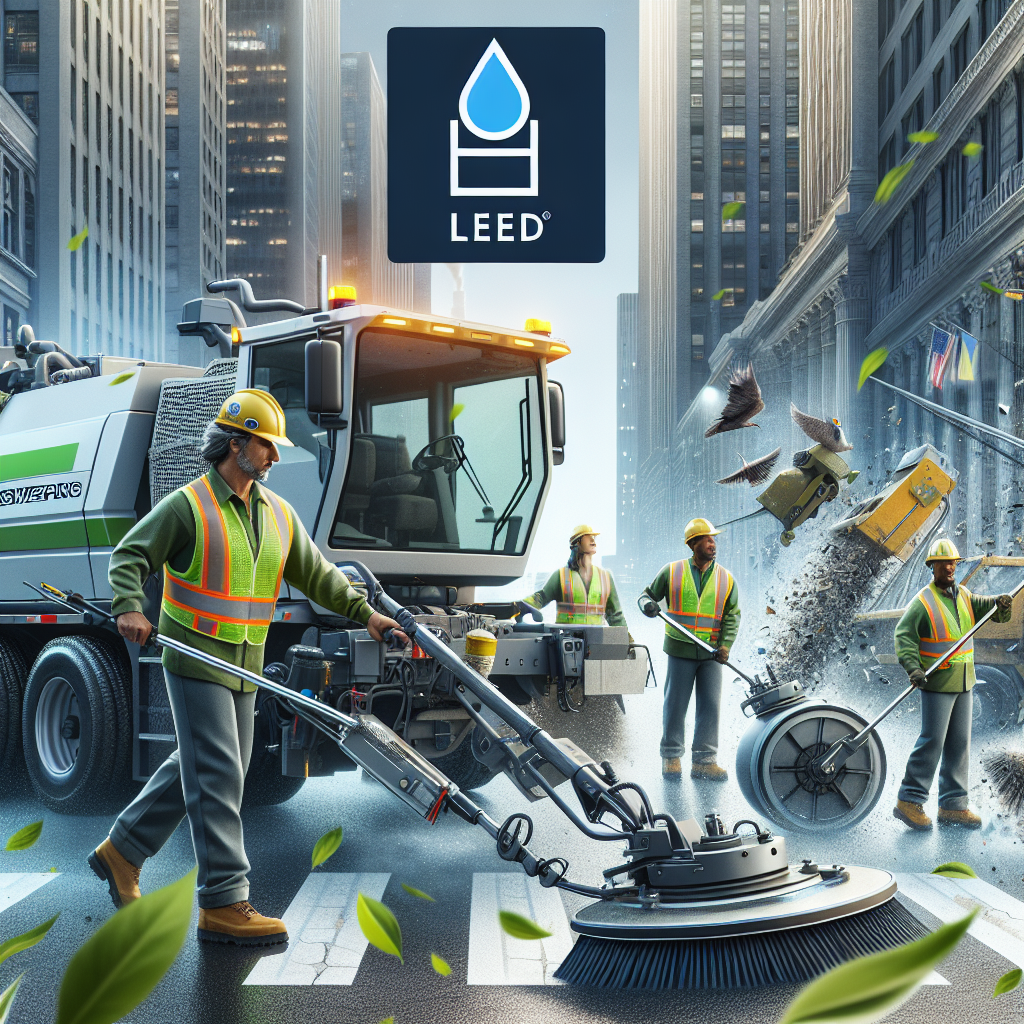
Power Sweeping Services and Their Contribution to LEED Certification
Did you know that cleaning the streets and parking lots in an eco-friendly way can help buildings become more environmentally friendly? This is where power sweeping services come in. You might have noticed those large trucks moving slowly and cleaning dirt and debris off the roads. These street-sweeping heroes actually play an important role in making our planet healthier and greener.
What is LEED Certification?
Before we dive deeper into the world of power sweeping, let's talk about LEED certification. LEED stands for Leadership in Energy and Environmental Design. It’s a special recognition for buildings that are designed, built, and maintained to use energy and resources efficiently while reducing their impact on the environment. A LEED-certified building aims to lower carbon footprints and create a better space for people to work and live in.
There are different levels of LEED certification: Certified, Silver, Gold, and Platinum, with Platinum being the highest. The goal is to encourage people to think about how their buildings affect the environment. More and more developers are seeking LEED certification to show they're committed to green principles.
How Do Power Sweeping Services Work?
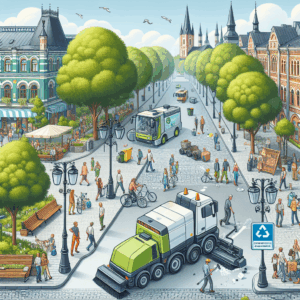
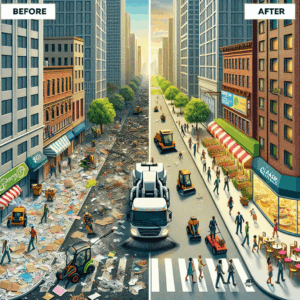
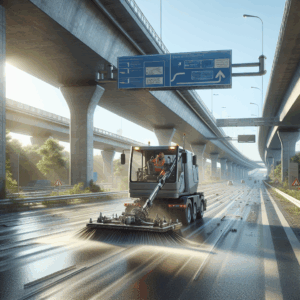
Power sweeping services use trucks equipped with rotating brushes and vacuum systems that can clean up leaves, trash, dirt, and other debris from streets, parking lots, and construction sites. These trucks are like big vacuums but for the ground!
There are two reasons why this is important. First, cleaning up waste helps prevent it from washing into storm drains and polluting rivers and oceans. Second, keeping streets clean makes neighborhoods safer and more attractive.
The Eco-Friendly Connection
You may wonder how cleaning streets with power sweepers can help a building get LEED certification. Here’s the secret: sustainability!
-
Water Conservation: Power sweepers often use less water compared to older cleaning methods. They are designed to use only the amount of water needed, thus saving this precious resource.
-
Pollution Reduction: By sweeping away pollutants like chemicals, oils, and metals before they wash into waterways, sweepers help reduce water pollution. Less pollution means cleaner water, healthier wildlife, and a safer environment for humans, too.
-
Waste Management: The debris collected by power sweepers is often sorted and disposed of properly, sometimes even recycled. This helps reduce landfill waste.
-
Air Quality Improvement: Clean streets contribute to better air quality, too. Power sweepers can collect dust and debris that would otherwise be spread by the wind, making the air cleaner and healthier for us to breathe.
Steps Towards LEED Certification
Buildings seeking LEED certification can benefit from working with power sweeping services. Regularly cleaning outside spaces shows a commitment to reducing environmental impact. It can even earn points towards the building’s LEED rating by demonstrating good stormwater management and sustainable site management.
These practices not only help achieve certification but also make a real difference in the fight against pollution and resource waste. Plus, they showcase a business or building owner’s dedication to sustainability and long-term environmental health.
Conclusion
Power sweeping services might seem like just another part of city maintenance, but they play a bigger role than you might think. By keeping our streets and public spaces clean without harming mother nature, they help buildings work towards gaining that precious LEED certification. Beyond just a label, this certification shows that everyone involved is committed to making our world a greener place. Keep an eye out for those hard-working power sweepers – they’re quietly making our homes and our planet better!